Please Attention PHOENIX Readers: The Full Article Is Available via “Read Original”
In a recent interview on Symfoni TV, on Friday, June 12, 2026, Professor Udenta Udenta, founding National Secretary of the Alliance for Democracy (AD), discussed opposition projections, party discipline, and the evolving political arithmetic ahead of the 2027 general elections. The conversation focused on electoral expectations, internal opposition conduct, and the growing visibility of emerging political blocs within Nigeria’s democratic space.
Udenta argued that Nigeria’s opposition landscape is becoming more competitive, with voter sentiment increasingly influenced by economic conditions, insecurity concerns, and dissatisfaction with governance outcomes since the 2023 elections. He maintained that these factors are reshaping how political support is distributed across different parties and candidates.
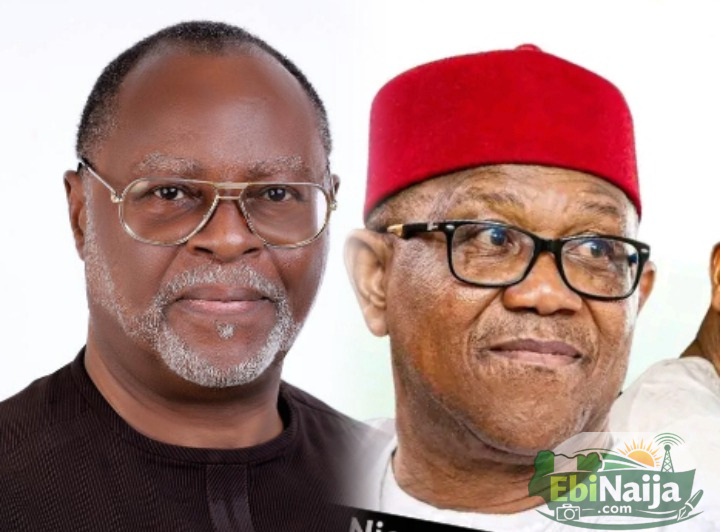
Speaking during the interview, Udenta stated, “2027: Peter Obi is going to harvest 5 million more votes beyond his 6.7 million in 2023 – Udenta.” He made the remark while assessing the potential growth of opposition support bases and the likelihood of increased voter consolidation around major opposition figures.
According to Udenta, the 2023 presidential election created a strong foundation for alternative political movements, particularly among young voters and urban populations who are more responsive to issue-based campaigns. He explained that if these groups remain politically engaged, they could significantly influence turnout and vote distribution in 2027.
Udenta further noted that while individual candidates may attract significant attention, electoral success ultimately depends on broader coalition-building and the ability of parties to coordinate effectively across regions. He stressed that fragmentation within opposition ranks could weaken their overall electoral strength.
He concluded by emphasizing that the 2027 election will be shaped not only by candidate popularity but also by party structure, strategic alliances, and the capacity of political actors to convert public dissatisfaction into organized electoral support.