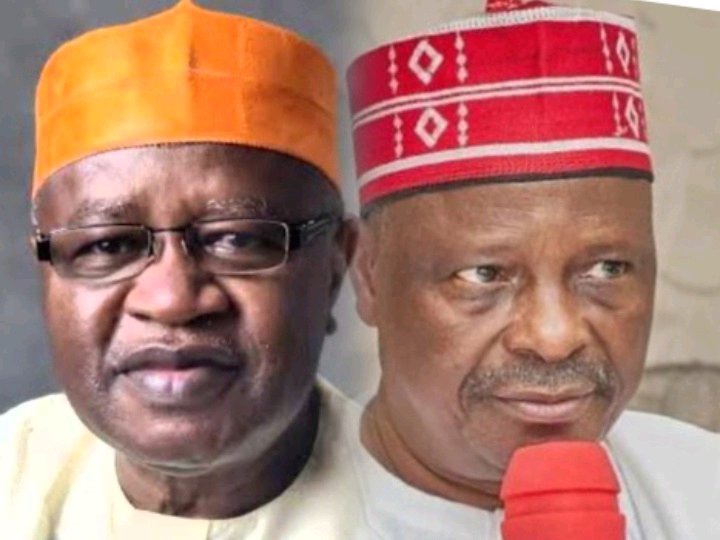
In a recent interview on Arise TV, Ladan Salihu spoke on the growing divisions within Nigeria’s opposition parties and the political implications ahead of the 2027 general elections.
During the interview, Salihu stated, “When Kwankwaso wanted to join the NDC, people in Kano said, ‘We will not back you.’” He made the remark while discussing the political influence of Rabiu Musa Kwankwaso and the reactions surrounding his movement to the Nigerian Democratic Congress.
Salihu argued that although Kwankwaso remains a notable political figure in Kano State, his decision to align with the NDC did not generate the same level of excitement or unified support that previously characterised his political movements and alliances in the region.
He explained that some residents and political supporters in Kano reportedly expressed dissatisfaction with the move, insisting they would not automatically follow him into another political platform without clear ideological or strategic justification.
According to him, this reaction reflects a broader trend in Nigerian politics where political loyalty is becoming increasingly conditional, with voters and grassroots supporters more willing to question the decisions of political leaders rather than follow them blindly.
Salihu noted that Kwankwaso’s political strength in Kano has historically been rooted in strong grassroots mobilisation, party structure, and a loyal support base often referred to as the “Kwankwasiyya movement,” which has played a significant role in shaping electoral outcomes in the state.
However, he suggested that recent political developments indicate that even strong political structures are facing internal pressure as voters reassess their affiliations ahead of the 2027 general elections.
He further explained that opposition politics in Nigeria is currently experiencing fragmentation, with key political figures exploring different platforms and alliances rather than consolidating into a unified front.
Salihu argued that this lack of cohesion continues to weaken opposition chances nationally, especially when compared to the organisational strength of the ruling party, which benefits from established structures across multiple regions.
He also highlighted that political movements are no longer driven solely by individual influence, but increasingly by broader considerations such as policy direction, economic realities, and regional interests.
According to him, the reaction in Kano should serve as a signal to political leaders that voters are becoming more politically conscious and less willing to offer unconditional loyalty.
Salihu added that if opposition figures hope to remain relevant in the 2027 elections, they must pay closer attention to grassroots sentiment and ensure that political decisions reflect the expectations of their supporters.
He warned that ignoring local political feedback could lead to weakened mobilisation capacity during elections, particularly in key states that traditionally play decisive roles in national outcomes.