Please Attention PHOENIX Readers: The Full Article Is Available via “Read Original”
According to a report by Nigerian Tribune on Saturday, June 13, 2026, the 2027 presidential candidate of the Nigeria Democratic Congress (NDC), Peter Obi, has stated that he would release the leader of the Indigenous People of Biafra (IPOB), Nnamdi Kanu, and initiate dialogue with separatist agitators if elected President of Nigeria.
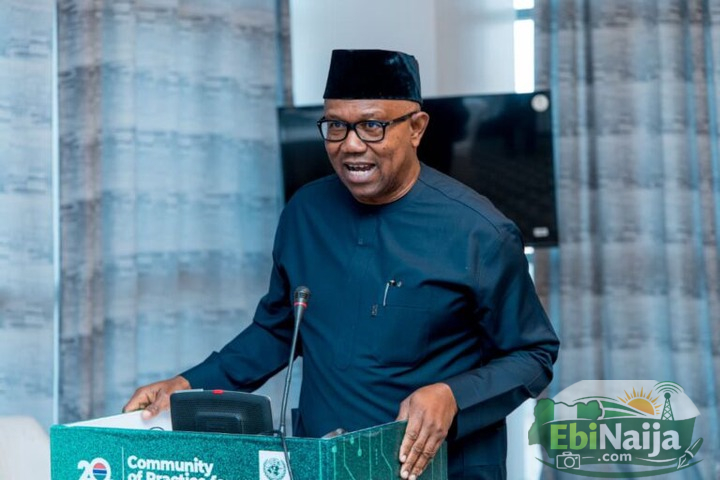
Obi made the declaration during an interaction with Nigerians in Washington, where he addressed a range of national issues, including insecurity, unity, governance, and the handling of separatist movements across the country.
He stressed that resolving long-standing political tensions would require engagement, understanding, and a commitment to addressing grievances through lawful and peaceful means rather than relying solely on force or prolonged detention.
Speaking on Kanu’s continued detention, Obi argued that the IPOB leader should not be imprisoned over statements allegedly made on Radio Biafra.
According to him, the expression of views, even when critical of government officials or political leaders, should not automatically attract criminal sanctions.
He maintained that democracy thrives when citizens are allowed to express their opinions freely and openly.
Obi noted that elected officials and public office holders are often subjected to scrutiny, criticism, and public dissatisfaction, emphasizing that such reactions are common features of democratic societies and should not be treated as criminal offences.
The former governor of Anambra State explained that addressing agitation and separatist sentiments requires more than legal action or security measures.
He said dialogue remains a vital tool for resolving conflicts and rebuilding trust between citizens and government institutions.
Obi indicated that his administration, if elected in 2027, would prioritize discussions with aggrieved groups across the country in order to understand their concerns and seek lasting solutions.
He stressed that listening to people and creating opportunities for meaningful engagement would help reduce tensions and promote national cohesion.
Obi further maintained that governance should be rooted in justice, fairness, and respect for constitutional rights.
He argued that democratic governments must create an environment where differing opinions can be expressed without fear of persecution.
According to him, criticism directed at leaders should be viewed as part of the democratic process rather than as an attack on the state.
He noted that political leaders, by the nature of their positions, are often exposed to harsh comments from the public and must develop the capacity to tolerate opposing views while remaining focused on serving the people.
During the interaction, Obi reiterated his belief that Nigeria’s unity and stability can be strengthened through inclusive leadership and constructive engagement.
He emphasized that disagreements and political differences should be resolved through dialogue rather than confrontation.
The former governor suggested that opening channels of communication with separatist agitators and other dissatisfied groups would help address underlying issues that fuel unrest.
He also stressed the importance of protecting civil liberties and ensuring that democratic principles are upheld in the management of national affairs.
He said, “Anybody can tell you anything. I’m a politician and people call me all sorts of names and I don’t think calling me names is an offence.”