Attention PHOENIX Readers: The Full Article Is Available via “Read Original”
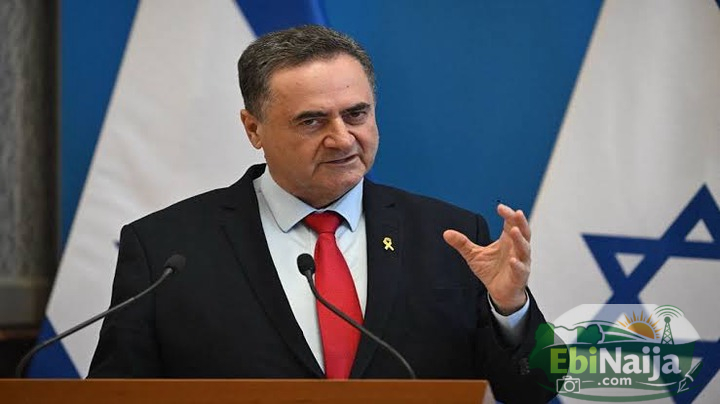
According to a report by the Times of Israel on Friday June 12, 2026, Israel’s Defense Minister Israel Katz has signaled that Israel must continue to preserve the option of military action against Iran, as discussions between Washington and Tehran move closer to what US President Donald Trump has described as an imminent Memorandum of Understanding.
In remarks issued on Friday, Katz emphasized that Israel cannot rely solely on diplomatic arrangements when it comes to Iran’s nuclear ambitions. He said the country must retain independent operational freedom to act if necessary to prevent Tehran from acquiring nuclear weapons.
“Israel must ensure that, in the future as well, we retain the ability to act independently to prevent Iran from obtaining nuclear weapons,” Katz said, adding that both he and Prime Minister Benjamin Netanyahu had directed the military to prepare accordingly.
He also noted that Trump was driving efforts toward a possible agreement shaped around what he described as American interests, while also aligning with Israel’s stated objective of preventing a nuclear-armed Iran. At the same time, Katz expressed expectations that any final deal would go beyond the nuclear file to include Iran’s missile program and support for armed groups across the region — areas that have recently been less prominent in US messaging.
Katz went on to stress that Israel would maintain its military presence in several strategic areas, including Lebanon, Syria, Gaza, and parts of the northern West Bank. He framed this posture as part of a broader doctrine focused on proactive security rather than restraint or compromise.
“Our security doctrine is sharp and clear. We act against both nearby and distant threats, and we strive for decisive outcomes rather than compromises and concessions,” he said, in remarks that appeared to contrast Israel’s approach with Washington’s increasing emphasis on negotiated arrangements.
He also warned that the current regional moment is especially consequential, insisting that Israel would continue pursuing a firm security policy aimed at safeguarding its strategic gains and countering what he described as a coalition of hostile regional forces.