Please Attention PHOENIX Readers: The Full Article Is Available via “Read Original”
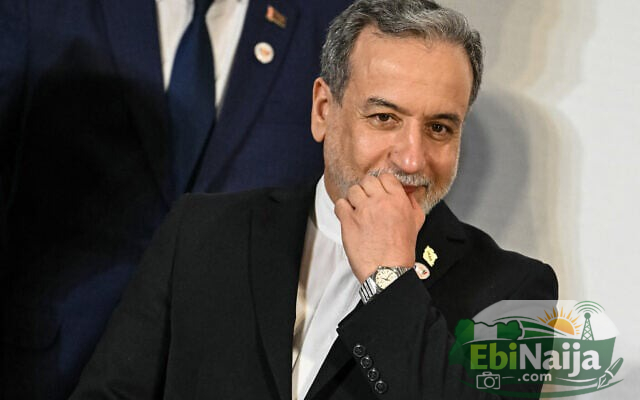
According to a report by The Times of Israel on Friday, June 12, 2026, Iranian Foreign Minister Abbas Araghchi has said that nuclear talks with the United States will only begin once an interim memorandum of understanding is formally signed, stressing that several conditions must first be met before negotiations can proceed.
Speaking in a state television interview, Araghchi said the proposed agreement includes provisions covering regional security issues and the reopening of key maritime routes. He added that discussions are still ongoing and no final document has been concluded.
Araghchi stated that one of the key requirements in the emerging framework is the complete lifting of a naval blockade, describing it as the first major condition contained in the draft agreement with the United States.
He also noted that the interim arrangement is expected to address wider regional conflicts, although details of these provisions have not been disclosed.
He further outlined Iran’s position on the future of the Strait of Hormuz, a strategic waterway for global energy shipments. He said Iran has taken a firm decision that the administration of the strait will not return to its previous post-war arrangement.
He added that sovereignty over the waterway belongs to Iran and Oman, while Iran would remain responsible for ensuring safe passage for commercial shipping.
The foreign minister also indicated that consultations are ongoing with Oman regarding the management of the strait, as discussions continue over the structure of the proposed agreement.
Araghchi stressed that nuclear negotiations with the United States will not begin until the interim deal is formally signed. He explained that the sequence of events depends entirely on the completion and signing of the memorandum of understanding.
He added that if the agreement is finalized, it could be signed remotely in the coming days. He noted that the final stages of negotiations are nearing completion and that the agreement would be signed and announced digitally, with both sides expected to sign remotely.
He also said the proposed agreement has faced opposition from unnamed actors who he described as seeking to disrupt the process and create obstacles to its completion.
On nuclear material, Araghchi reiterated Iran’s position that its stockpile of highly enriched uranium should be diluted within the country, describing this as the only acceptable approach under discussion.
He concluded that the memorandum of understanding is still under negotiation and remains subject to change before any formal signing takes place.