Please Kindly Pay Attention: If you’re reading on PHOENIX, please click the “Read Original” button at the top right to view the full article.
According to a report by Al-Jazeera on Wednesday, June 10, 2026, despite the recent exchange of military strikes and rising tensions between Iran and the United States, neither side appears willing to enter into a prolonged and unrestricted conflict, according to geopolitical analyst Elijah Magnier.
Speaking on the latest developments in the region, Magnier said both Washington and Tehran are carefully calibrating their actions to send strategic messages while avoiding a confrontation that could spiral into a full-scale war with far-reaching consequences.
According to the analyst, the United States’ recent military strikes are aimed at restoring deterrence, protecting American forces stationed across the Middle East and ensuring freedom of navigation in critical maritime routes. Washington is seeking to demonstrate that attacks on its personnel or interests will not go unanswered, while reassuring allies of its commitment to regional security.
At the same time, Magnier noted that Iran is pursuing its own strategy of deterrence by signaling that any military action against it or its allies will come at a cost.
“The Americans want to re-establish deterrence, secure their forces and maintain freedom of navigation, while Tehran wants to show that attacks against it will carry a price,” he said.
Despite the increasingly hostile rhetoric and military exchanges, Magnier argued that both governments recognize the enormous risks associated with an all-out war.
“Neither side appears to want an unlimited war because of the cost,” he said. “The consequences would be enormous for both parties, affecting regional security, Gulf energy supplies and the global economy.”
He warned that any major conflict between Iran and the United States could disrupt critical energy infrastructure and shipping routes across the Gulf, sending shockwaves through international markets and potentially drawing additional countries into the crisis.
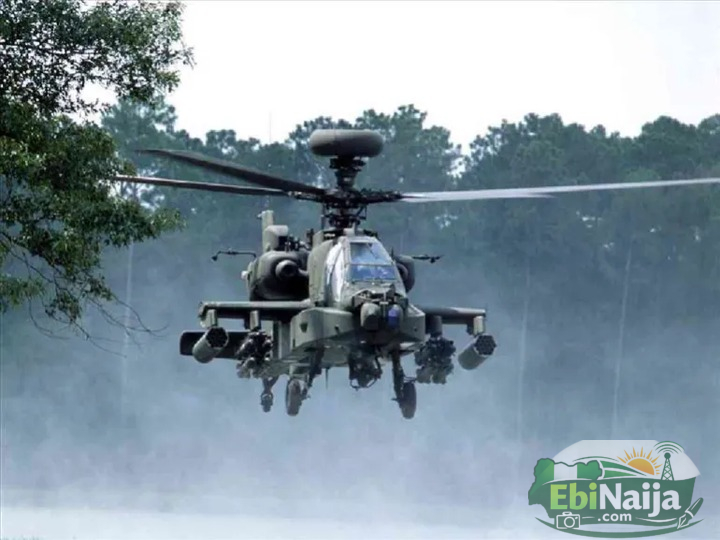
Magnier also addressed reports surrounding the downing of a United States Apache helicopter, suggesting that Iran would be unlikely to publicly claim responsibility even if it had played a role in the incident.
According to him, openly acknowledging responsibility would effectively provide Washington with justification for a stronger military response and could significantly increase the likelihood of a direct war between the two countries.
“Iran obviously would not claim responsibility because that would be an invitation for the United States to respond forcefully and perhaps move toward war,” he said.
Nevertheless, Magnier believes Tehran is deliberately communicating that it is prepared for a military confrontation if circumstances require it. He added that Iranian leaders are making those calculations while also assessing what they perceive as limited American willingness to engage in another major war in the Middle East.
“The Iranians are sending messages that they are ready to go to war if necessary,” he said. “But they are doing so with the understanding that the United States currently has little appetite for a prolonged military conflict.”