Please Attention PHOENIX Readers: The Full Article Is Available via “Read Original”
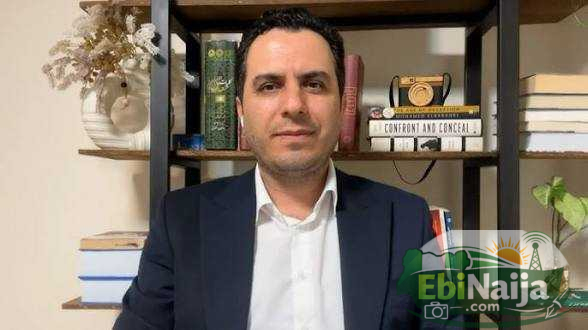
According to a report by Al-Jazeera on Sunday, June 14, 2026, Iran’s measured and cautious approach to ongoing negotiations with the United States is rooted in a combination of past experiences, domestic political realities, and concerns over national security, according to political analyst Abbas Aslani.
Aslani, a senior research fellow at the Center for Middle East Strategic Studies, said Iran’s negotiating team has become increasingly careful in its dealings with Washington due to developments that have shaped Tehran’s perception of the United States as an unreliable negotiating partner.
Speaking to Al Jazeera, Aslani noted that Iran’s leadership remains wary following military confrontations that occurred during periods of diplomatic engagement between the two countries. He pointed out that the United States carried out military actions against Iran on two separate occasions since last year while negotiations were ongoing.
According to him, Iranian officials believe these incidents have reinforced the need for greater caution before making commitments or reaching agreements with Washington.
“The negotiating team has learned from previous experiences,” Aslani explained. “There is a strong desire to ensure that any future agreement is credible, enforceable, and capable of delivering tangible benefits to Iran.”
Beyond external concerns, Aslani said domestic factors are also influencing the pace and direction of the talks. He highlighted the impact of recent conflicts and the assassination of key Iranian figures, which have complicated internal decision-making processes and communication among various institutions involved in foreign policy.
He explained that the aftermath of war and the loss of senior leaders have created a more complex political environment, requiring additional consultations before major decisions can be made.
“This comes after a period marked by conflict and the assassination of senior leadership figures,” he said. “Such circumstances naturally make communication more difficult and mean that more time is needed to build consensus than would normally be the case.”
Aslani further stressed that decision-making in Iran involves multiple institutions rather than a single authority. As a result, any agreement reached through negotiations must undergo extensive review and receive approval from several state bodies before it can be finalized.
He noted that this institutional framework is another reason progress in the talks has appeared slow. Iranian authorities, he said, want to ensure that any deal serves the country’s long-term interests and has the backing of the relevant political and security institutions.