Please Kindly Pay Attention: If you’re reading on PHOENIX, please click the “Read Original” button at the top right to view the full article.
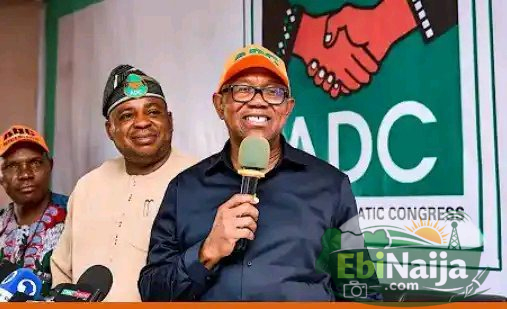
During an interview aired on Symfoni TV on June 8, 2026, prominent ADC figure Dele Momodu discussed the growing significance of political branding and public perception in Nigeria’s evolving political landscape ahead of the 2027 general elections. The conversation focused particularly on the national and international profile of former Labour Party presidential candidate Peter Obi.
Momodu emphasized that contemporary politics is no longer driven solely by party strength, organizational structures, or campaign machinery. According to him, public image, visibility, and personal branding have become increasingly important factors in shaping political success. He noted that some politicians have successfully cultivated identities that resonate far beyond their immediate political environments.
Reflecting on Obi’s political journey and increasing influence, Momodu praised the former presidential candidate’s ability to establish a strong and recognizable public image. He stated, “Peter Obi has built one of the biggest brands as a political figure in Nigeria and is known beyond Africa.” The remark underscored Obi’s growing prominence both within Nigeria and internationally.
Momodu attributed Obi’s widespread recognition to several factors, including his communication approach, policy-driven messaging, and consistent engagement with younger demographics. He suggested that these qualities have contributed significantly to Obi’s visibility and popularity, positioning him among the most prominent political personalities in present-day Nigerian politics.
The ADC chieftain also highlighted the importance of political branding in influencing public opinion, particularly in a highly competitive electoral environment. While acknowledging the value of popularity and public recognition, he stressed that these qualities alone are insufficient to secure electoral success.
According to Momodu, effective political strategies, coalition-building efforts, and strong organizational structures remain essential components of any successful presidential campaign. He argued that politicians must complement their public appeal with carefully planned alliances and broad-based support networks if they hope to convert popularity into electoral victories.
Concluding his remarks, Momodu observed that winning Nigeria’s presidency requires more than widespread recognition. He maintained that electoral success depends on a combination of strong branding, strategic coordination, effective alliances, and a voter base that cuts across different regions of the country. In his view, achieving victory in Nigeria’s presidential elections requires balancing public appeal with robust political organization and nationwide support.